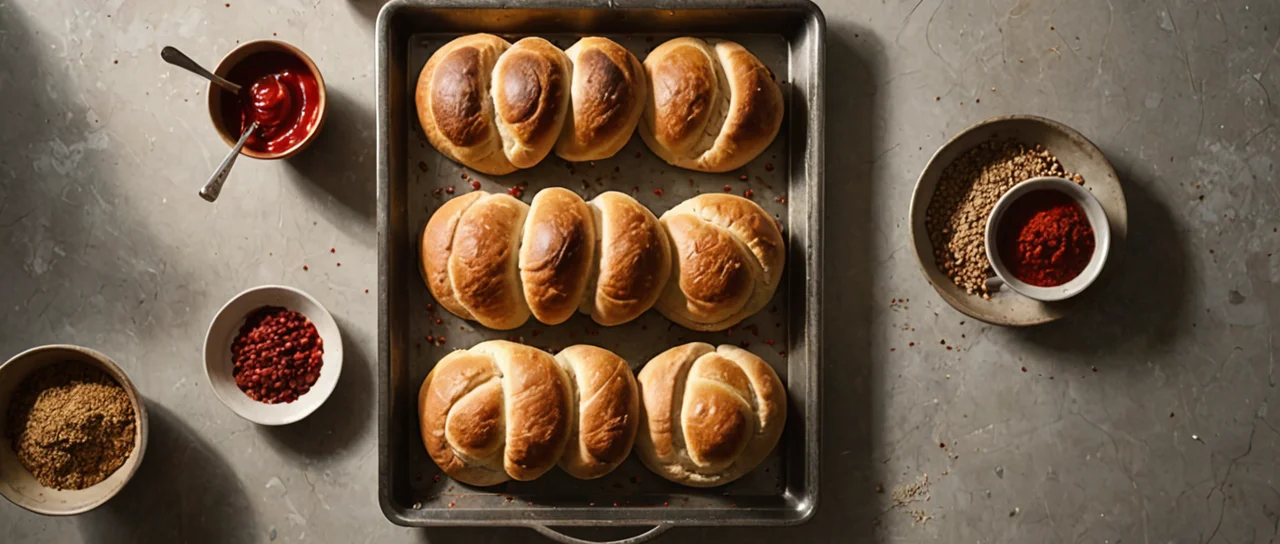
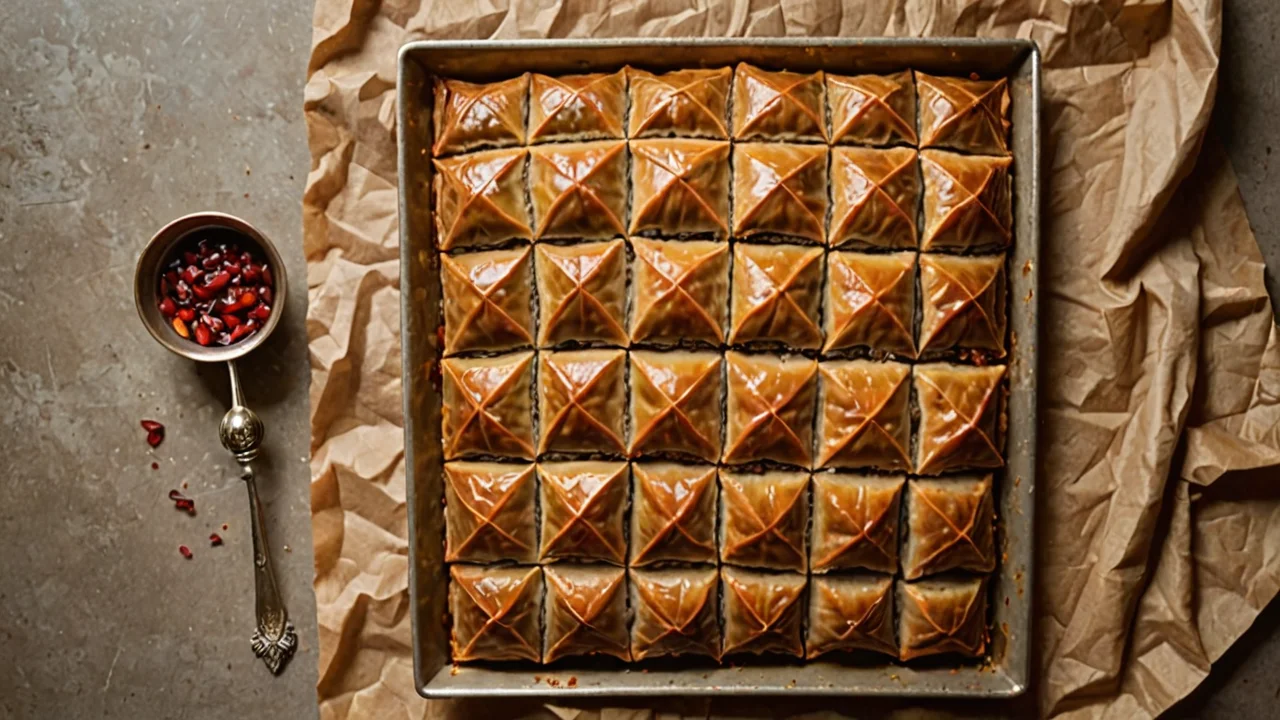
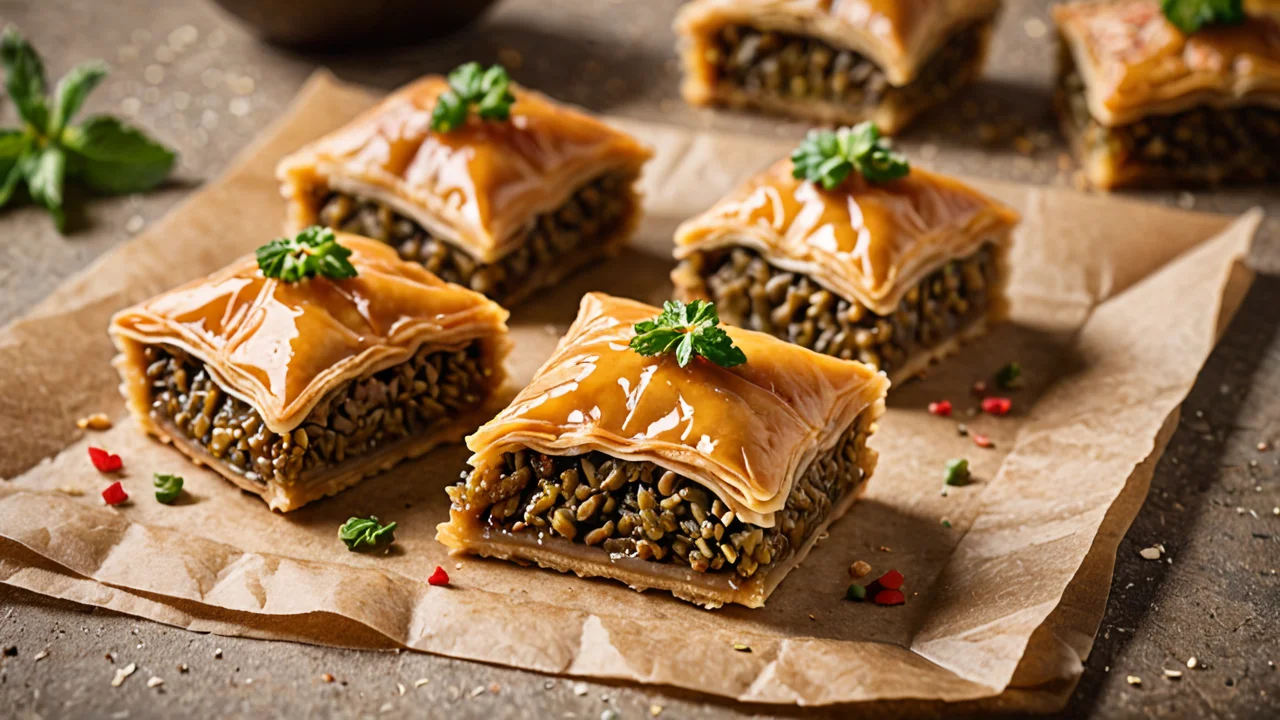
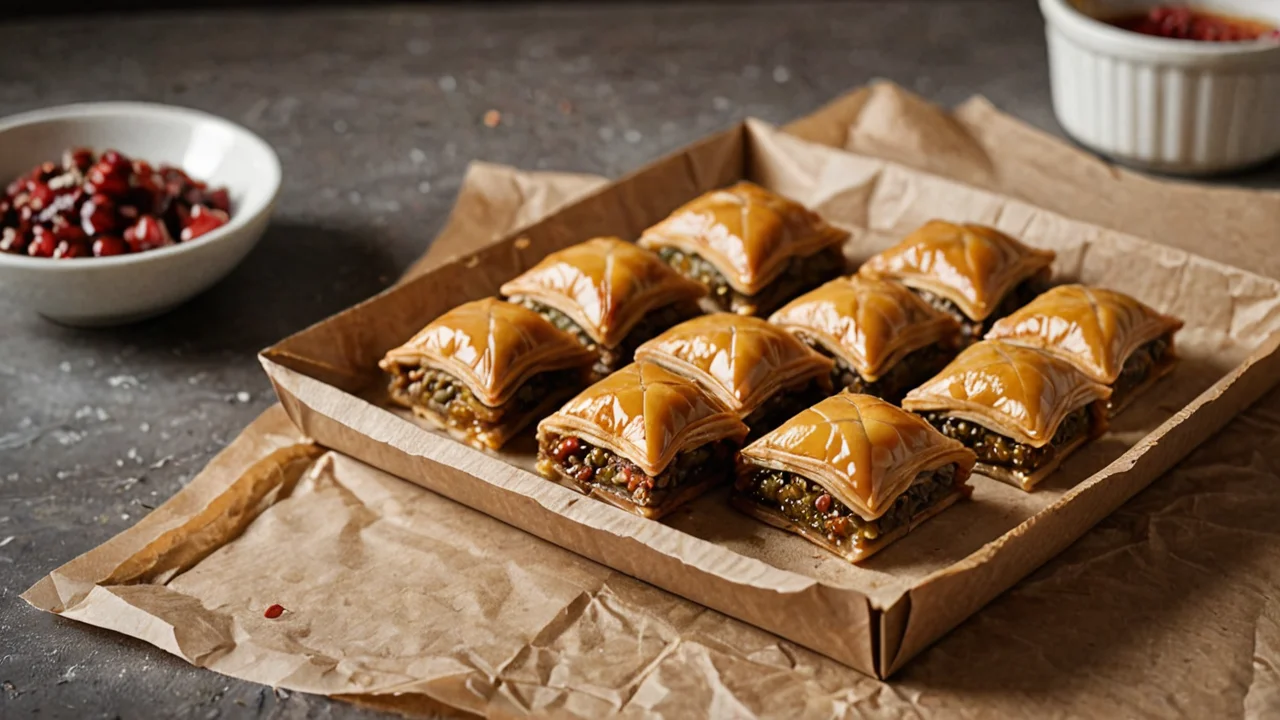
The single most useful thing to understand about Middle Eastern baking and cooking is that almost every dish in this family is a heat-and-moisture problem with a safety line drawn through it. Shawarma is a rotisserie problem: how to brown the outside of a stacked cone of meat without drying the interior or leaving the center raw. Falafel is a hydration problem: the chickpeas must be soaked but never cooked before grinding, or the balls fall apart in the oil. Baklava is a lamination problem: how thin the phyllo goes, how much butter holds the layers apart, and how fast the syrup has to hit the hot pastry. Get the physics right and the recipes follow. Get them wrong and no amount of good spice will save the plate.
Shawarma: the vertical rotisserie and the temperature you cannot skip
Chicken shawarma cooked at home or on a small rotisserie must reach 165 °F (74 °C) at the thickest part before it is shaved and served. That is the line. Everything else about the dish — the marinade, the stacking, the shave — is craft; this is the one number that decides whether the plate is safe.
The structure of shawarma is what makes the temperature hard to hit. Thin slices of marinated meat, commonly lamb, beef, or chicken, are stacked on a vertical rotisserie, slowly roasted, and shaved off to serve in bread with sauces and vegetables. On a commercial spit the cone is dense and the outer surface is constantly exposed to radiant heat while the interior turns slowly. A home oven or a small countertop rotisserie does not reproduce that geometry well. The stack is smaller, the heat is less directional, and the meat nearest the skewer — the part that never sees the flame — is the part that lags. That is why you probe the thickest part, not the surface, and why you keep probing after the outside looks done.
The marinade is where most home cooks overreach. Yogurt, lemon, garlic, and warm spices are the usual base for chicken; the acid tenderizes, and too much of it for too long turns the exterior to mush before it ever browns. A few hours is enough for sliced thigh meat. Overnight is fine for whole pieces going onto a spit, but sliced chicken left in heavy acid for a full day will shave into shreds rather than slices. The trade-off is real: longer marinating gives deeper flavor, shorter gives better texture. For a stacked cone, texture wins.
What goes wrong, and how you notice: the cone looks lacquered and dark on the outside while the center reads well under temperature. You shave, you serve, and the inner slices are pink. The fix is not a longer roast at the same heat — that dries the outer layers — but a lower ambient temperature with more time, letting heat conduct inward before the surface carbonizes. If you are working with chicken, the 165 °F (74 °C) target applies to every slice you serve, not just the outermost one.
The holding rule matters as much as the cooking rule. Perishable foods like chicken shawarma should not sit at room temperature for more than 2 hours between 40 °F (4 °C) and 140 °F (60 °C), and that window shrinks to 1 hour if the ambient temperature is above 90 °F (32 °F). A backyard spit on a hot afternoon is exactly the scenario the one-hour figure was written for. Carve to order, keep the unshaved cone hot, and get leftovers into the refrigerator rather than letting them cool on the counter through dinner.
Falafel: soaking, grinding, and why the fryer punishes shortcuts
Falafel is ground pulses — usually chickpeas or fava beans — mixed with herbs and spices, formed into balls or patties, and traditionally deep-fried. The one decision that determines whether it works is this: the pulses are soaked, never cooked, before grinding. Cooked or canned chickpeas are already soft and full of water; grind them and you get a batter that steams apart in the oil instead of holding a crust. Dried chickpeas soaked overnight, drained thoroughly, and ground raw with onion, garlic, parsley, cilantro, and cumin give you a coarse, sticky paste that fries into a crisp shell around a fluffy, green-flecked interior.
The numbers on the finished food are worth knowing if you are watching what you eat. Home-prepared falafel runs about 333 kcal per 100 g and carries 13.3 g of protein per 100 g. That protein figure surprises people who assume a fried food is empty; the pulses do the work. What the numbers do not capture is that deep-frying adds oil to the surface, and a wet batter absorbs far more of it than a dry one. Drying the soaked chickpeas well — spreading them on a towel for a while after draining — is the cheapest way to keep the falafel from turning greasy.
Where home cooks go wrong, in order of frequency: chickpeas not dried enough, so the mix is wet and the balls slump; the grind too fine, giving a paste that fries dense rather than craggy; oil not hot enough, so the falafel drinks oil before the crust sets; and balls too large, so the outside browns before the center cooks through. A scoop the size of a walnut, dropped carefully into oil held at a steady frying temperature, is the reliable shape. If you are not using a thermometer, the test is a small pinch of batter: it should sizzle immediately and rise, not sink and sit.
The honest trade-off is that baked falafel is a different food. It can be good — brushed with oil and baked on a hot sheet — but it will not have the shell that makes a falafel sandwich work, and the interior dries out faster. If you are making falafel for a crowd, frying in batches and holding the finished balls on a rack in a warm oven keeps the crust; stacking them on paper towels steams the bottoms soft.
Baklava: phyllo, butter, and the syrup timing that decides crisp versus soggy
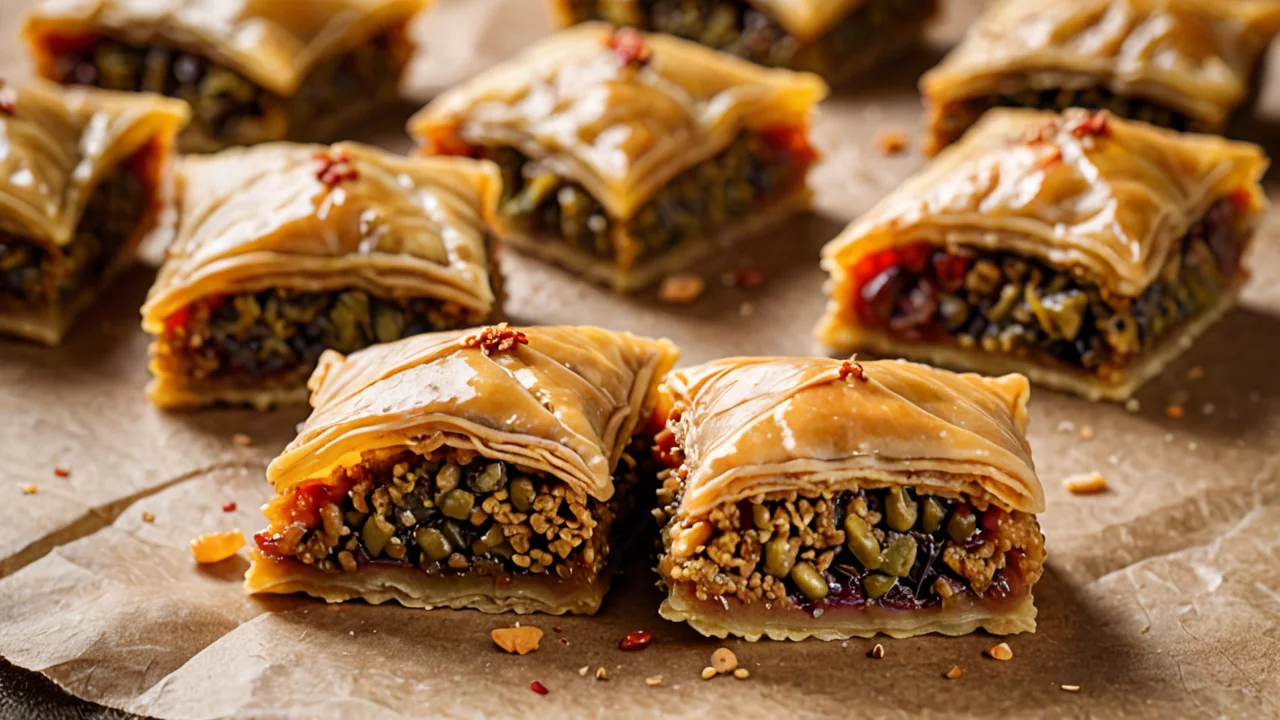
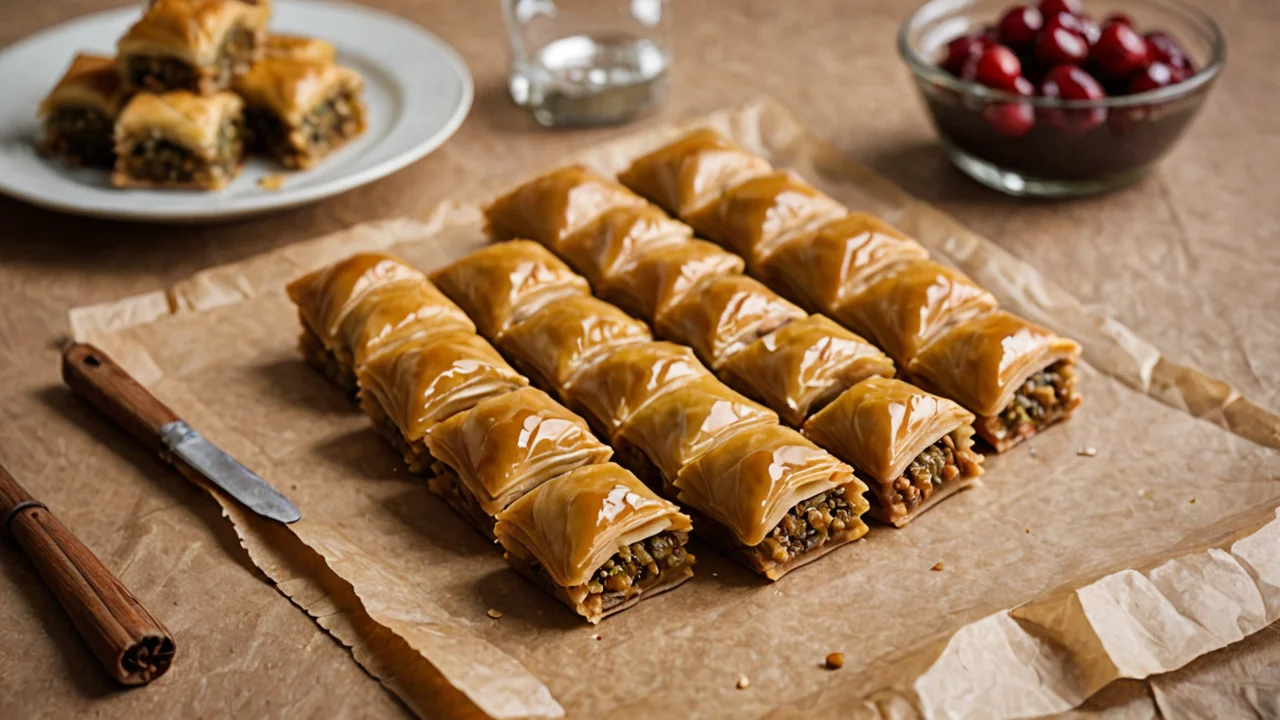
Baklava is a layered pastry of thin phyllo sheets, nuts (often walnuts or pistachios), and a sweet syrup or honey. The whole dish lives or dies on one sequence: hot pastry, cool syrup — or the reverse, depending on whose kitchen you learned it in, but never both hot. The reason is moisture. Phyllo is almost entirely starch and water, and the layers are held apart by melted butter. Pour warm syrup over warm baklava and the pastry absorbs it like a sponge, collapsing the layers into a sweet, heavy slab. Pour cooled syrup over baklava straight from the oven, and the syrup runs into the cuts, the pastry stays crisp, and the nuts keep their snap.
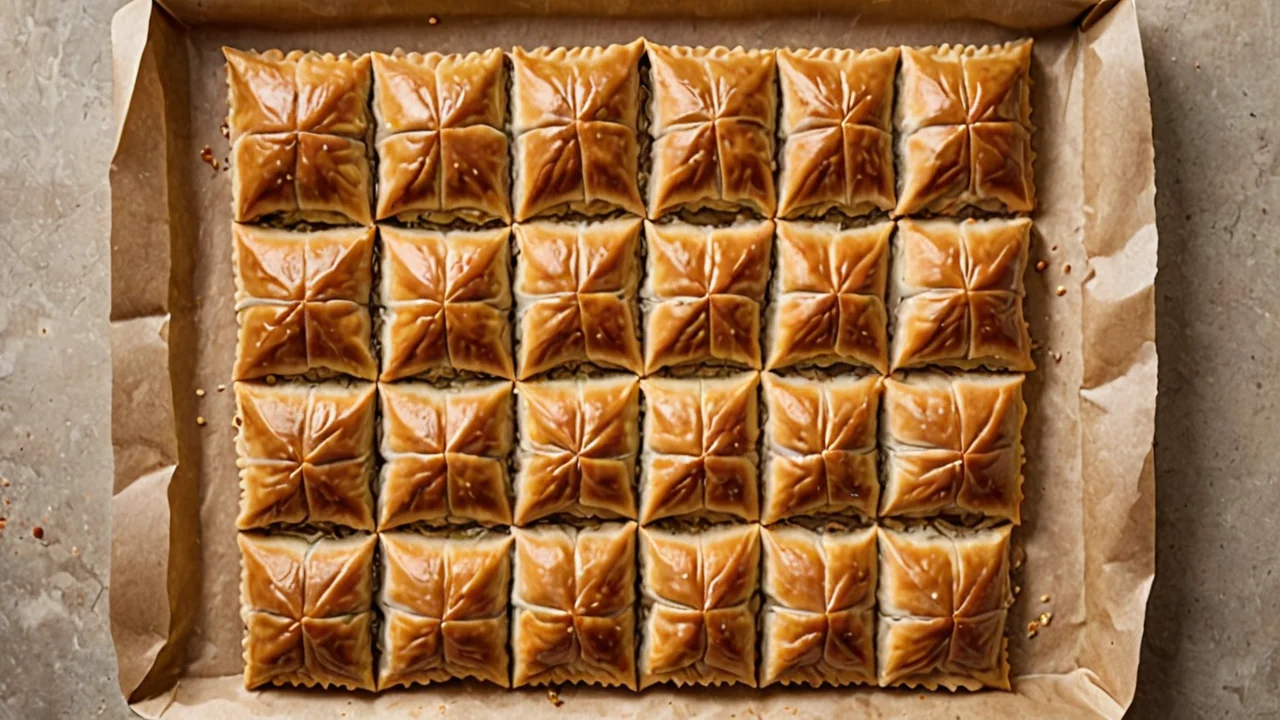
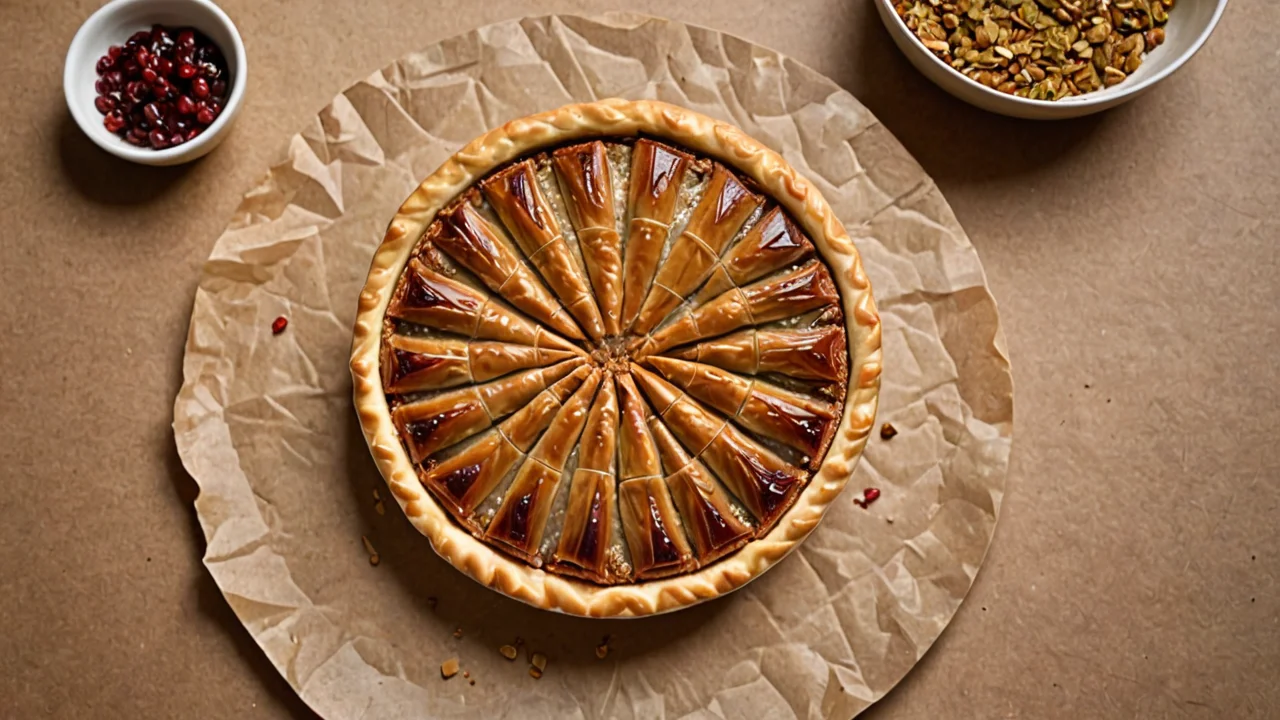
Building the layers is where patience pays. Phyllo dries out within minutes of being exposed, so the stack you are not working on stays under a damp towel. Each sheet gets brushed with melted butter — clarified butter is better than whole butter because the milk solids are what burn and what make the layers stick — and the nut mixture goes in the middle third of the stack, not sprinkled throughout. Cut the diamond or square pattern before baking, all the way through to the bottom, so the syrup has channels to run down and the portions lift cleanly. Bake until the top is deeply golden, then let it cool slightly before the syrup goes on.
Storage is the other half of the safety story. Baklava containing nuts and butter is a ready-to-eat food and should be held at or below 40 °F (4 °C) for safe cold storage. That is colder than most people keep a pastry box on the counter, and it matters because the butter and nuts are both hospitable to spoilage. The cost is texture: refrigerated baklava firms up and loses some of its shatter. The compromise most cooks settle on is to store it cold and bring it back to room temperature before serving, accepting a slightly softer crunch in exchange for several days of keeping instead of one.
Where it goes wrong: syrup poured too early, so the pastry never sets; too little butter between sheets, so the layers fuse; nuts ground to a powder instead of chopped, so the filling turns to paste; and a syrup cooked too long, which crystallizes as it cools. A syrup that coats a spoon but still runs is the target. If it sets hard in the pan, you have gone past it.
The pantry and equipment that actually earn their space
You can cook this whole repertoire with a short list: dried chickpeas, phyllo (frozen is fine and better than most fresh supermarket phyllo), walnuts and pistachios, clarified butter or ghee, good olive oil for finishing, tahini, lemons, garlic, and a spice set built around cumin, coriander, paprika, cinnamon, and allspice. The equipment that changes outcomes is smaller than people expect: an instant-read thermometer, a heavy pot for frying with a stable oil, a pastry brush that does not shed bristles, and a stack of clean kitchen towels for drying chickpeas and covering phyllo.
The thermometer is not optional if you are cooking chicken shawarma, because the difference between 160 °F and 165 °F (74 °C) at the center is invisible from the outside and is exactly the margin that matters. A frying thermometer for falafel is the second purchase; oil temperature drift is the most common cause of greasy, pale falafel. Everything else — the rotisserie, the mandoline, the stand mixer — is convenience, not necessity.
The trade-offs are worth naming. Dried chickpeas cost less and fry better than canned, but they require a overnight soak and advance planning; canned chickpeas are a weeknight shortcut that produces a softer, more fragile falafel. Frozen phyllo is reliably thin and consistent, but it must be thawed in the refrigerator overnight — thawing on the counter makes the sheets sweat and stick. Clarified butter takes time to make but does not burn; whole butter is faster and smokes. None of these choices is wrong, but each one moves the result, and knowing which lever you are pulling is most of the skill.
Sequencing a meal so nothing waits on anything else
The order of operations for a shawarma-and-falafel spread is set by holding times, not by cooking times. Falafel is best within minutes of coming out of the oil; it softens as it sits. Shawarma holds well on the spit but not on the counter. Baklava is best made a day ahead so the syrup has settled. That means the practical sequence is: soak chickpeas the night before, make and cut baklava the day before, marinate the chicken in the morning, fry falafel last, and carve shawarma to order.
The safety clock runs through all of it. Anything perishable — the chicken, the yogurt sauces, the chopped vegetables — should not sit out for more than 2 hours between 40 °F and 140 °F, and that drops to 1 hour when the room is above 90 °F (32 °F). A summer table set outdoors is the case where people get this wrong, because the food looks fine and the afternoon is long. Set out smaller portions and refill from the refrigerator rather than putting the whole bowl out at once.
The trade-off in sequencing is freshness against stress. Cooking everything to order gives the best plate but leaves the cook at the fryer while guests eat. Frying falafel in advance and reheating on a rack in a hot oven buys calm at the cost of some crust. Making baklava two days ahead costs nothing at all — it improves. Knowing which dishes tolerate the wait and which do not is the difference between a dinner that flows and one where the falafel arrives after the shawarma is cold.
What "authentic" costs you, and when the shortcut is the right call
Most of the technique in this cooking is old and cheap; what has changed is the equipment and the ingredients available. A vertical rotisserie is a restaurant tool, and a home cook reproducing shawarma in a oven is already making a compromise — the stack is smaller, the heat less directional, and the shave less clean. That compromise is fine. The non-negotiable part is the internal temperature, and a thermometer closes the gap that the missing spit opens.
The same is true of falafel. The traditional method — dried pulses, soaked, ground raw, fried — is not difficult, it is just paced. The shortcut of canned chickpeas is a real shortcut with a real cost in texture, and it is the right call on a Tuesday when the alternative is no falafel at all. What is not a shortcut worth taking is undercooking: falafel that is raw in the center tastes of starch and sits heavy, and no sauce hides it.
Baklava is the dish where the traditional method is also the easiest to get right, because the rules are simple and the failure modes are visible. Thin phyllo, clarified butter, chopped nuts, a syrup that is not over-cooked, and the hot-pastry-cool-syrup sequence. The cost of doing it properly is an afternoon and a lot of butter; the cost of doing it carelessly is a tray of sweet, soggy layers that nobody finishes. Store what you keep at or below 40 °F (4 °C), bring it back to room temperature to serve, and it will hold for days.
The through-line across all three dishes is that the technique is mostly about controlling water and heat, and the safety rules are the floor beneath the craft. Shawarma wants even heat into a dense stack; falafel wants dry pulses and hot oil; baklava wants dry layers and a syrup that arrives at the right moment. Get those right and the spicing, the sauces, and the pickles are the easy part — and the part you can adjust to your own table without breaking anything.