Middle Eastern cooking is a set of techniques built around a small number of pantry ingredients — olive oil, lemon, garlic, yogurt, tahini, dried pulses, bulgur and rice, flatbread, and a spice shelf that runs from sumac to baharat — where the cooking method, not the ingredient list, is what separates a good result from a flat one. The single most consequential decision a home cook makes is to learn the technique behind each dish (how hummus is emulsified, how rice is par-steeped and steamed, how meat is stacked and shaved) rather than collecting recipes. Everything below is about those decisions and what each one costs you.
Balancing the four taste pillars: sour, fat, herb, and char
Middle Eastern food is seasoned to a target, not to a recipe: sour (lemon, sumac, pomegranate molasses, yogurt), fat (olive oil, tahini, butter, rendered meat fat), herb (parsley, mint, cilantro, dill), and char (from a grill, a dry pan, or a hot oven). If a dish tastes flat, it is almost always missing acid or salt, not spice. Taste, add lemon or sumac, taste again. That single habit fixes more failures than any new ingredient will.
The reason this matters is structural. Most of the region's dishes are built to be eaten with bread and with several other dishes at once, so each component is seasoned slightly more aggressively than you would serve it alone. Hummus that tastes perfect on a spoon will taste bland once scooped with pita; the bread dilutes salt and acid. Season to the plate, not the pot. The trade-off is real: if you are cooking one dish to eat on its own, pull back on the salt and lemon or it will read as sharp.
Char is the pillar home cooks skip, and it is the one that most changes the result. Eggplant for baba ghanoush should be blackened until the skin blisters and the flesh collapses — on a gas flame, under a broiler, or on a dry cast-iron pan — because the smoke is the flavor. Skimping on this because it seems fussy gives you a pale, sweet purée that tastes like nothing. Meanwhile, herbs are used as a vegetable, not a garnish: a proper tabbouleh is mostly parsley with a little bulgur, not the reverse. If your tabbouleh is grain-heavy, you have made a different dish.
The limit of this approach: balancing by taste assumes you can taste as you go, which rules out some dishes that set or bake. For those, measure acid and salt deliberately the first time, then adjust the recipe permanently.
The pantry: what earns shelf space and what doesn't
You can cook most of this cuisine from a shelf of about a dozen items, and buying them in the right form matters more than buying many of them. The high-value core: good tahini (stone-ground, unsweetened, stirrable — if the oil has separated and the paste underneath is stiff and bitter, it will make gritty hummus), dried chickpeas and fava beans, fine and coarse bulgur, short- or medium-grain rice for pilafs, olive oil, sumac, cumin, coriander, allspice, cinnamon, dried mint, and pomegranate molasses.
Two purchases repay their cost immediately. First, whole spices toasted and ground fresh — pre-ground cumin loses its punch within months, and cumin is in nearly everything. Second, real dried chickpeas for falafel and hummus. Canned chickpeas are fine for a quick hummus but wrong for falafel: the mixture must start from soaked, uncooked pulses, or the balls will fall apart in the fryer. That is the most common falafel failure and it is a shopping decision, not a cooking one.
What you can skip: most spice blends sold as "shawarma seasoning" or "baharat" are mostly salt and stale ground spice. Build the blend yourself from the components. Likewise, dried herbs other than mint rarely earn their space here.
The honest trade-off: dried pulses need an overnight soak and, for chickpeas, a long simmer. That is hours of mostly unattended time, and if you don't have it, canned chickpeas plus a food processor will get you a decent hummus — but not falafel, and not the same texture. The shelf-stable pantry is cheaper per meal and better per meal; the convenience route is faster and, for some dishes, simply not available.
The techniques that decide the result: emulsifying, steaming, stacking, frying
Four techniques account for most of the difference between home-cooked and restaurant-quality Middle Eastern food at home.
Emulsifying tahini and hummus. Tahini sauce is a suspension of sesame paste and water, and it seizes before it comes together — you add water to stiff tahini and it turns grainy and clumps, then, past a certain point, suddenly turns smooth, pale, and pourable. The trick is ice water and patience: add it slowly while blending and let the mixture break before it re-forms. The same logic makes hummus silky: blend the chickpeas hot, with ice water, for longer than feels reasonable. If your hummus is grainy, it is under-blended or the chickpeas were under-cooked, not under-oiled.
Steaming rice and bulgur. Pilafs are par-steeped and then finished covered over low heat, so the grain absorbs liquid and steams rather than boiling. The failure mode is stirring — it releases starch and turns the pilaf gluey. Toast the grain in fat first, add hot liquid, cover, and leave it alone. The trade-off is that this method is unforgiving on heat: too high and the bottom scorches before the top is done.
Stacking and shaving shawarma. Shawarma is thin slices of marinated meat — commonly lamb, beef, or chicken — stacked on a vertical rotisserie, slowly roasted and shaved off to serve in bread with sauces and vegetables. At home you cannot replicate the rotisserie, so you approximate it: marinate thin slices, stack them tightly on a skewer or in a loaf pan, roast, then finish under a hot broiler or in a dry pan to get the crust that shaving would give. The approximation is good but not identical — you lose the continuous basting of fat running down the stack.
Frying falafel. Falafel is ground pulses — usually chickpeas or fava beans — mixed with herbs and spices, formed into balls or patties, and traditionally deep-fried. The oil must be hot enough that the ball sets on contact; too cool and it drinks oil and disintegrates, too hot and it darkens before the center cooks. Fry a single test ball first, every time. Falafel is also a genuinely substantial food, not a light one: home-prepared falafel runs about 333 kcal per 100 g serving, with roughly 13.3 g of protein per 100 g. That is a real number worth knowing if you are serving it as a main rather than a mezze.
The cost of learning these techniques is mostly repetition and a few failed batches. The cost of skipping them is food that is technically correct and tastes like a compromise.
Mezze as a system, not a menu of small plates
A mezze spread is a balance sheet: for every creamy dish (hummus, labneh, baba ghanoush) you want something sharp (pickles, a lemony salad), something herby (tabbouleh), something fried (falafel, kibbeh), and something starchy to carry it (pita, flatbread). Build the spread against those categories and it will feel complete at any size — three dishes or fifteen.
The practical constraint is timing. Fried items must be served within minutes of coming out of the oil, so they go last; dips and salads hold for hours and go first; bread goes in the oven while you fry. If you are cooking for a crowd, the mistake is treating mezze as many separate recipes. It is one assembly schedule. Write it down: what can be made the day before (dips, pickles, marinated olives), what must be made the morning of (salads, cooked grains), and what must be made at the last minute (anything fried, anything grilled).
There is an honest tension here between authenticity and practicality. A restaurant mezze table relies on a brigade and a fryer running all service. At home, you either accept that the fried items arrive in waves while people are already eating — which is fine, and how it works in most homes — or you cut the fried category and lose the contrast that makes the spread work. Most cooks land on one or two fried items and let the rest of the table carry the meal.
Portioning is where home spreads go wrong in the other direction: making full restaurant quantities of every dip means leftovers for a week and a table that looks like a buffet rather than a meal. Small bowls, refilled, is the better pattern.
Meat, heat, and the safety lines that actually matter
Shawarma and grilled meats are the dishes where home cooks most often get the temperature wrong, in both directions. Poultry — chicken shawarma included — needs to reach an internal temperature of 165 °F (74 °C) at the thickest part. That is the line, and it is not negotiable for a stacked, slow-roasted preparation, because the stack insulates the center and the outside can look done while the middle lags. Use a probe thermometer, not the color of the juices.
Holding is the other half. Perishable foods like chicken shawarma should not sit at room temperature for more than 2 hours between 40 °F (4 °C) and 140 °F (60 °F), and that window shrinks to 1 hour when the ambient temperature is above 90 °F (32 °C). A mezze table with a platter of shawarma on it, in summer, on a patio, is exactly the situation that rule is written for. The practical fix is to serve in smaller amounts and keep the rest refrigerated, refilling as you go.
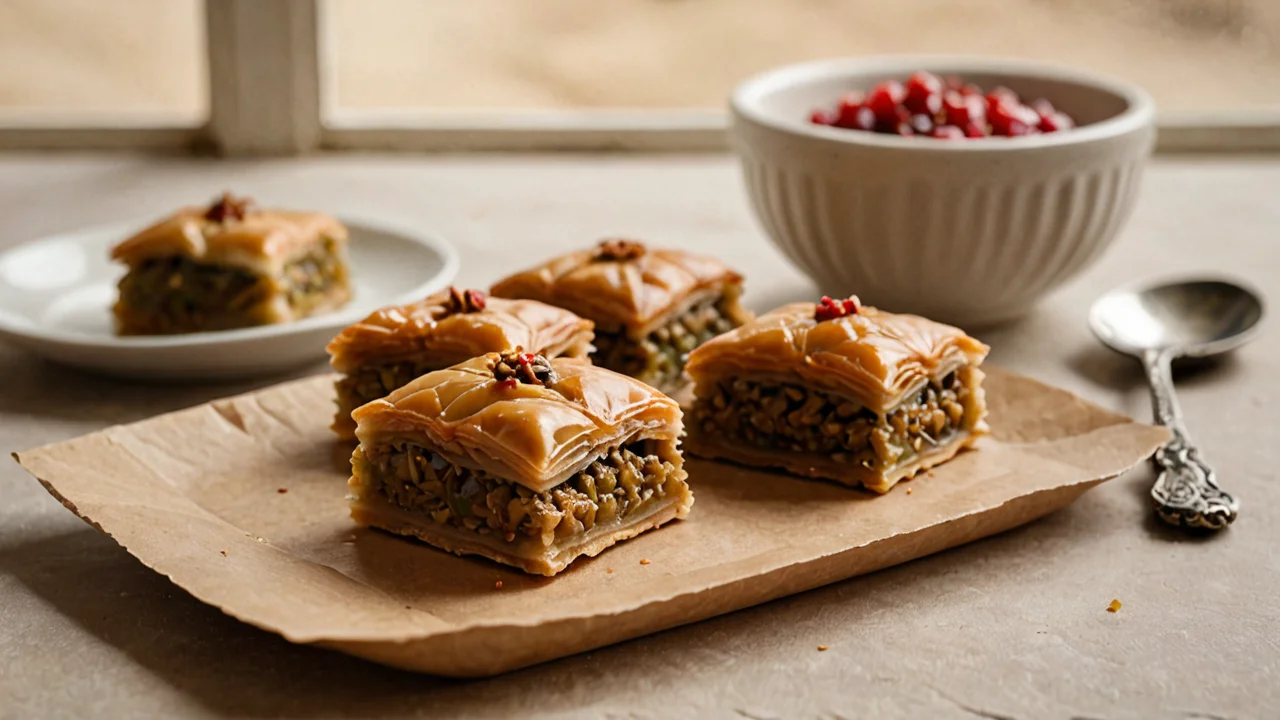
Cold storage has its own lines. Ready-to-eat foods containing nuts and butter — baklava is the obvious case — should be kept at or below 40 °F (4 °C) for safe cold storage. This is a place where tradition and safety can disagree: baklava is often sold and stored at room temperature in the region, and it keeps fine that way for a short time because the sugar syrup and low moisture inhibit growth. But once it contains butter and nuts and you intend to keep it more than a day or two, the refrigerator is the safer choice, at the cost of a softer, less crisp pastry. Warm it briefly to restore the texture before serving.
The trade-off across this whole category is that the techniques that make meat taste best — long marination, slow roasting, a final blast of high heat, resting — are the ones that also create the widest temperature gradients inside the meat, which is precisely why the thermometer matters more here than in a simple roast.
Bread, pastry, and the cost of doing it from scratch
Flatbread is the backbone of the meal and the one place where homemade is dramatically better than bought, but only if you can give the dough time. A basic pita or flatbread is flour, water, yeast, salt, and a little oil; the difference between good and great is a slow rise (a cool spot or the refrigerator, hours rather than minutes) and a very hot oven or dry pan so the dough puffs and chars. The cost is scheduling: the dough needs to be started well before you want to eat, and it does not respond well to being rushed.
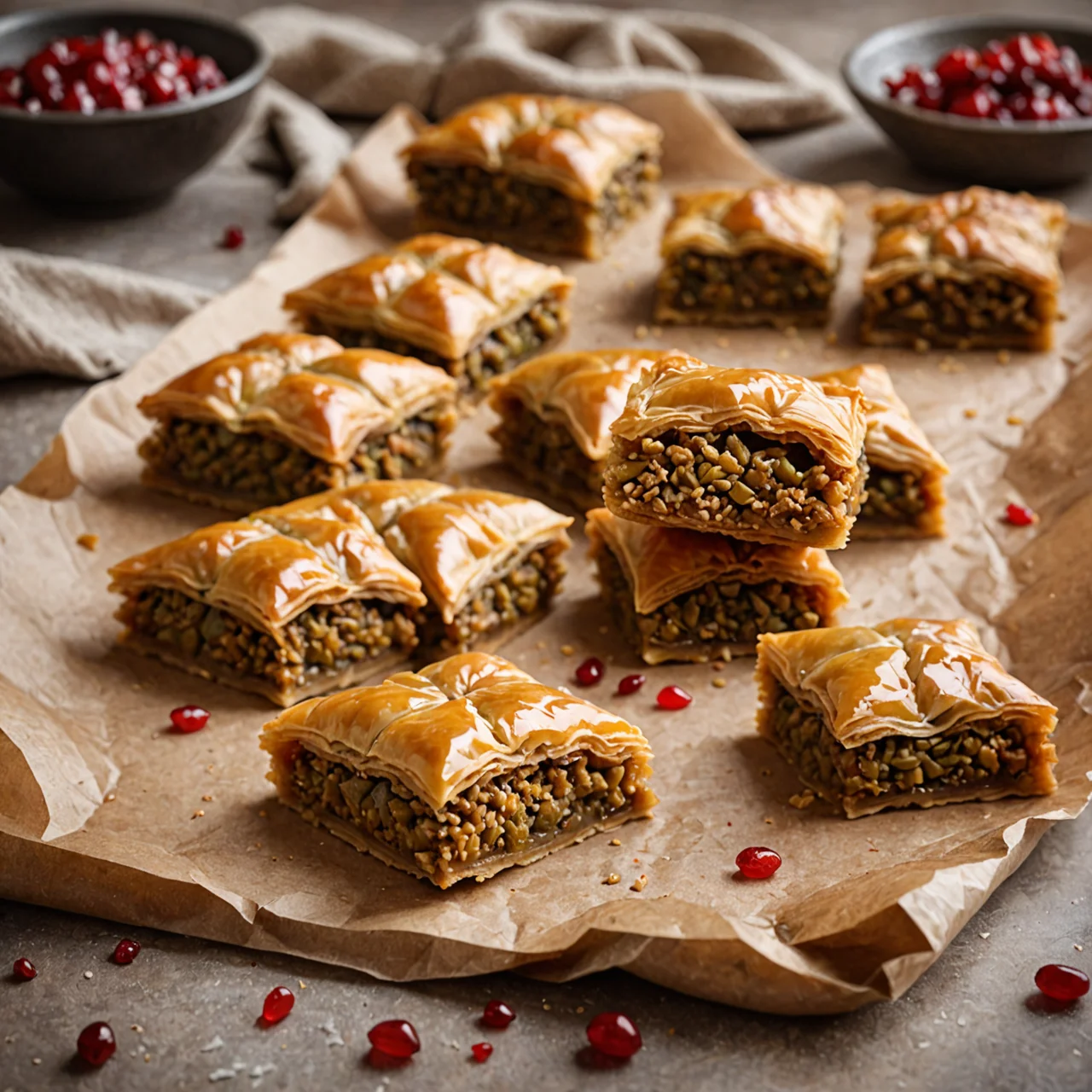
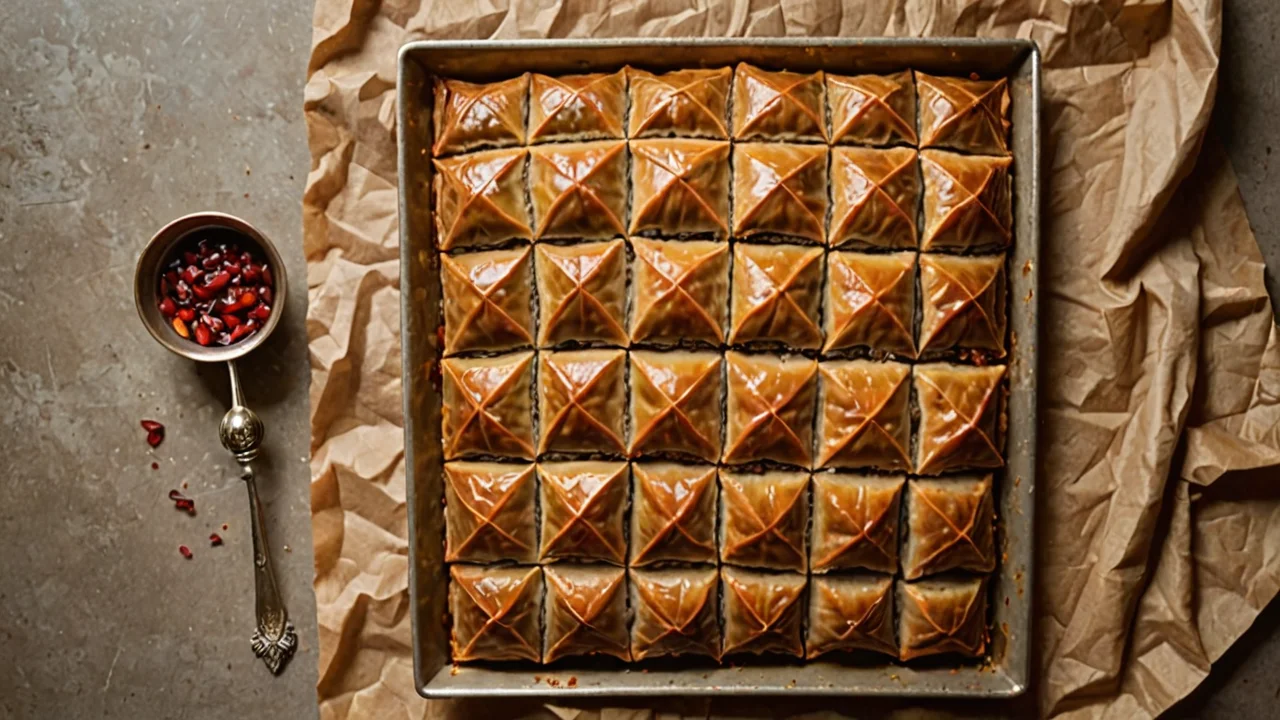
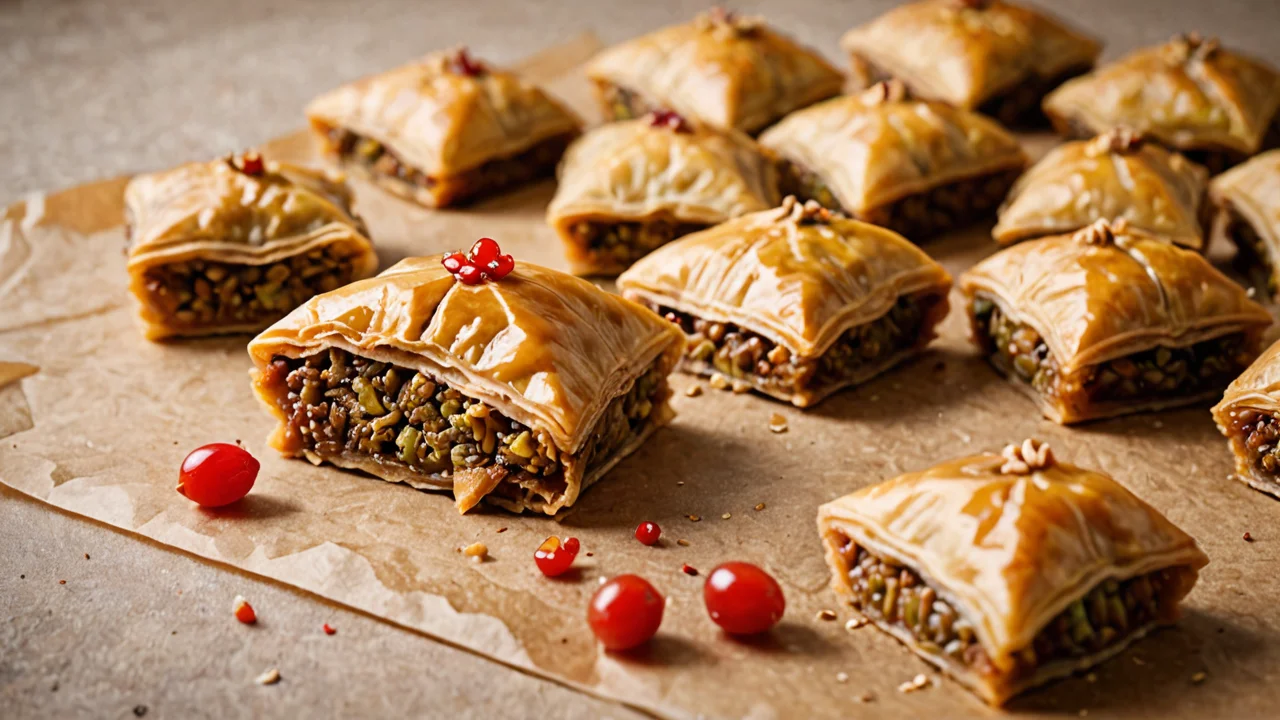
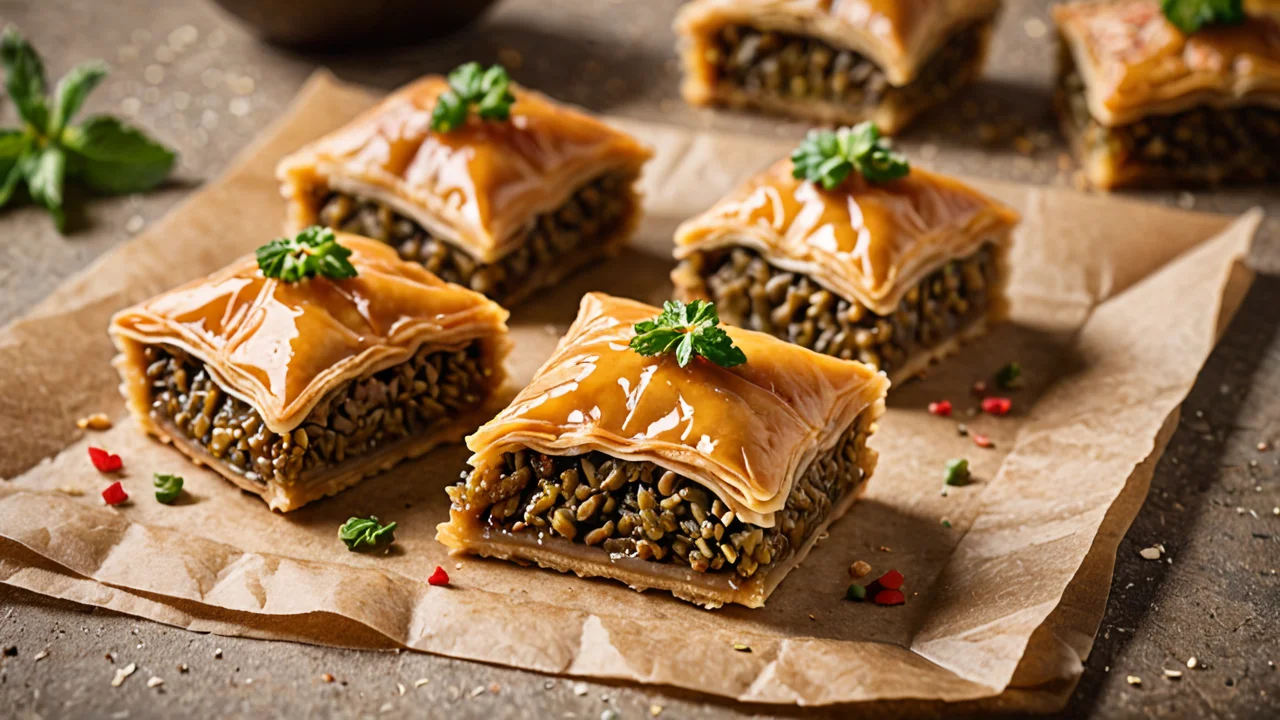
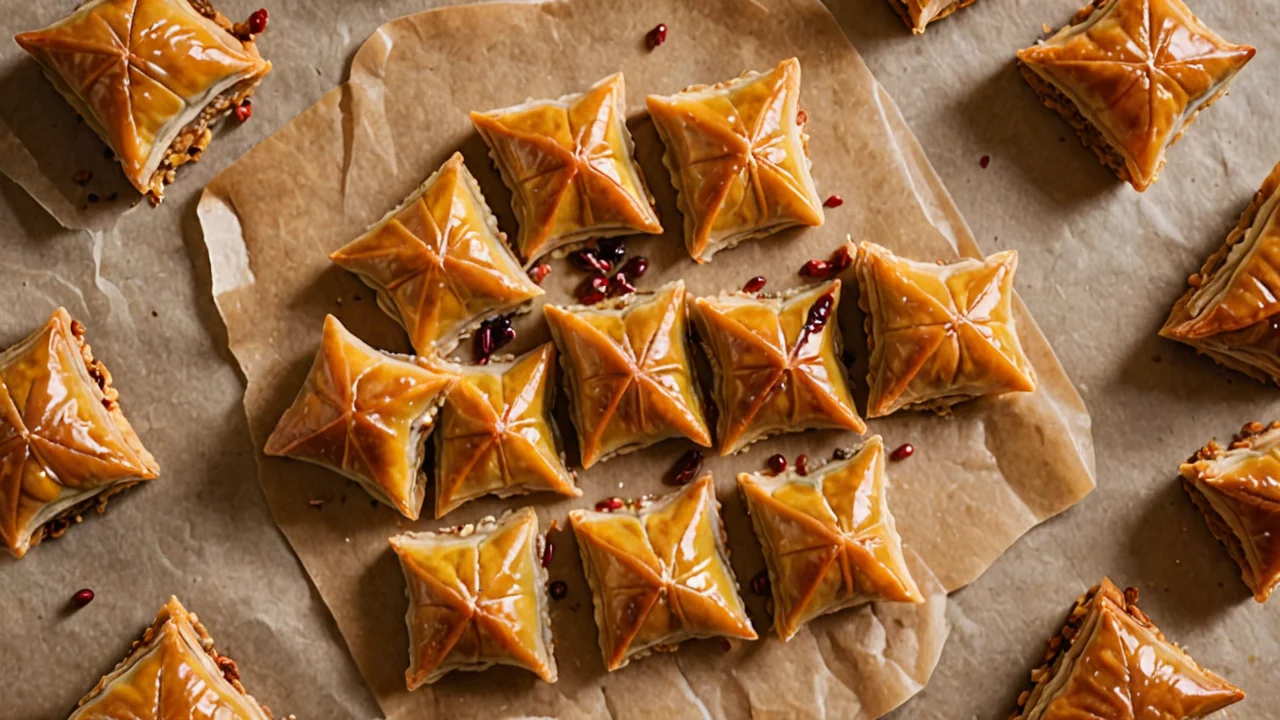
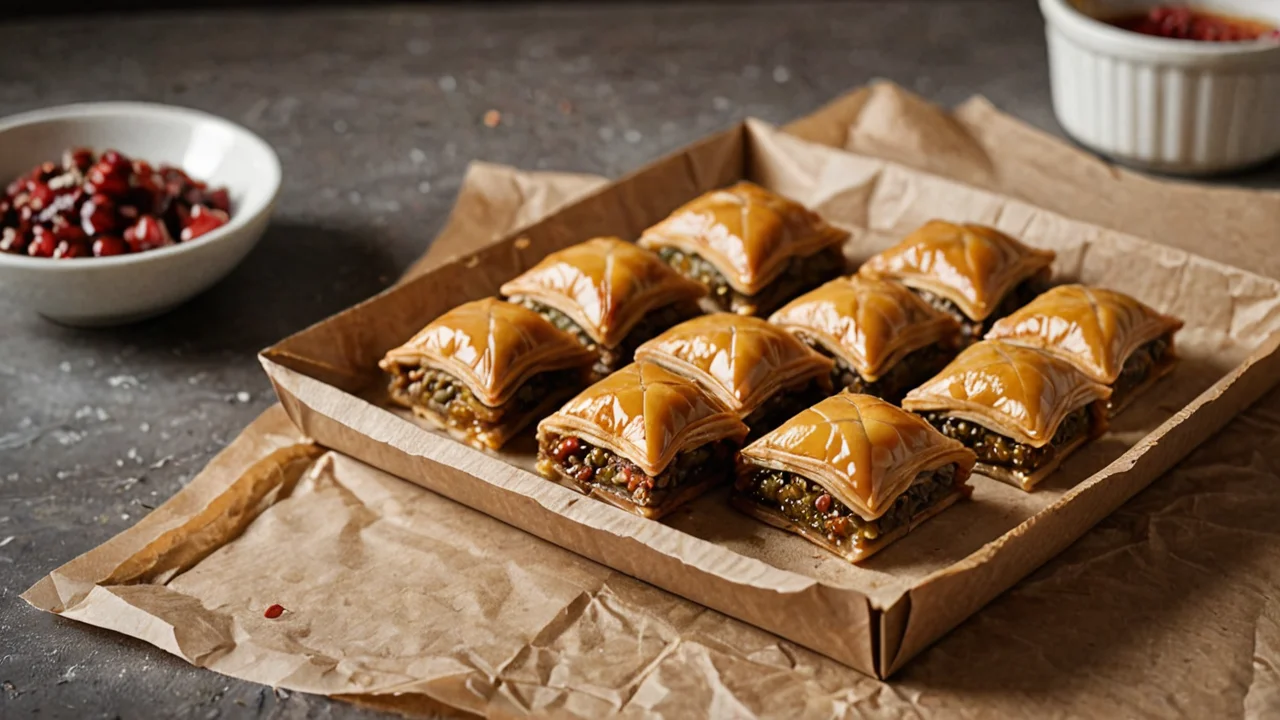
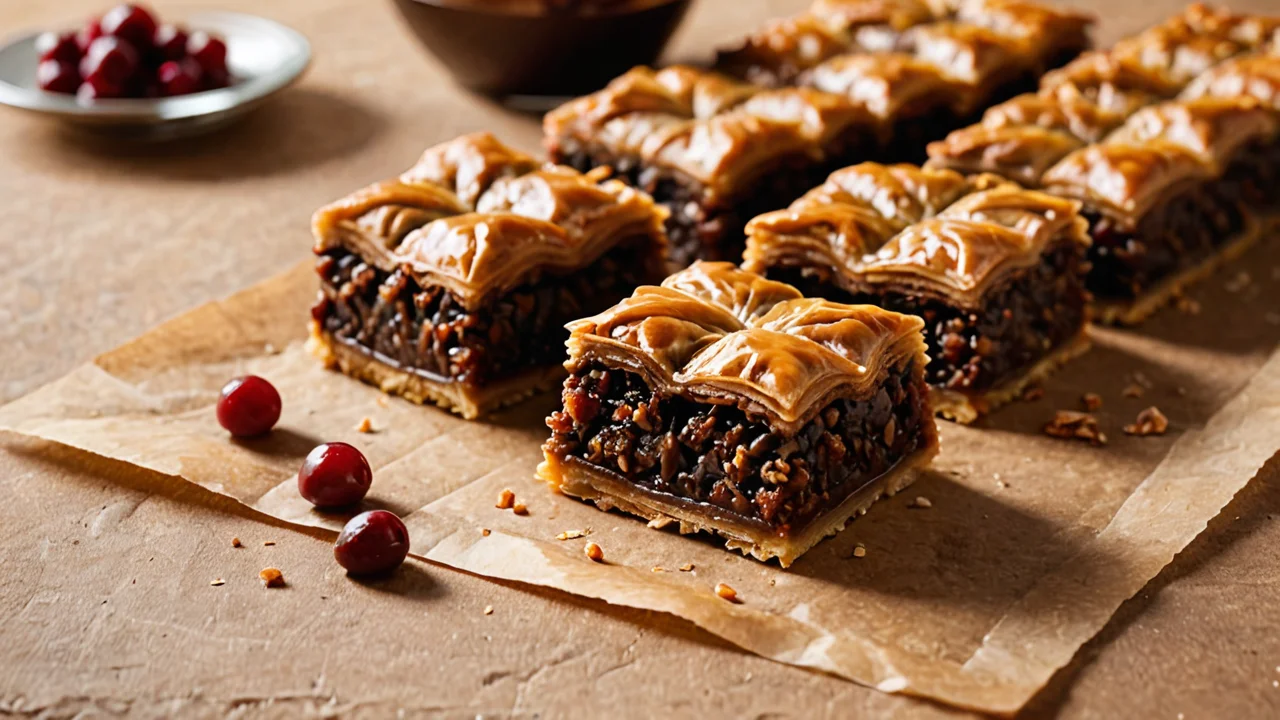
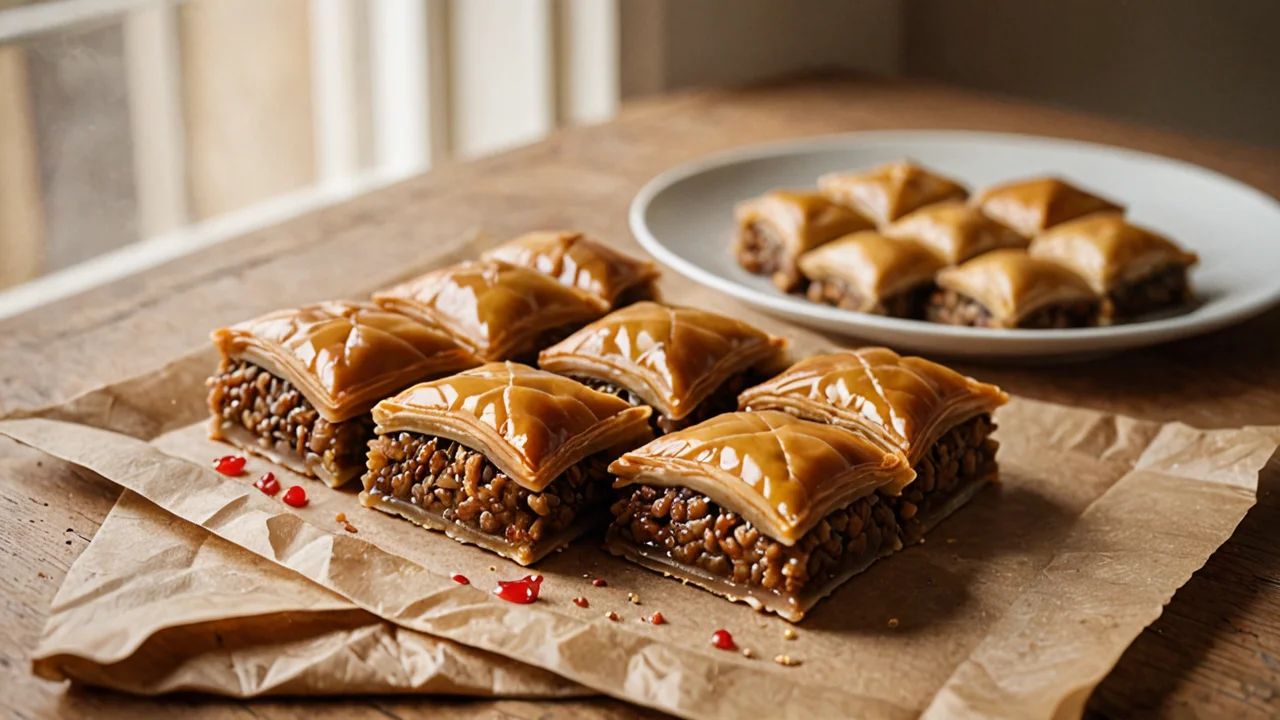
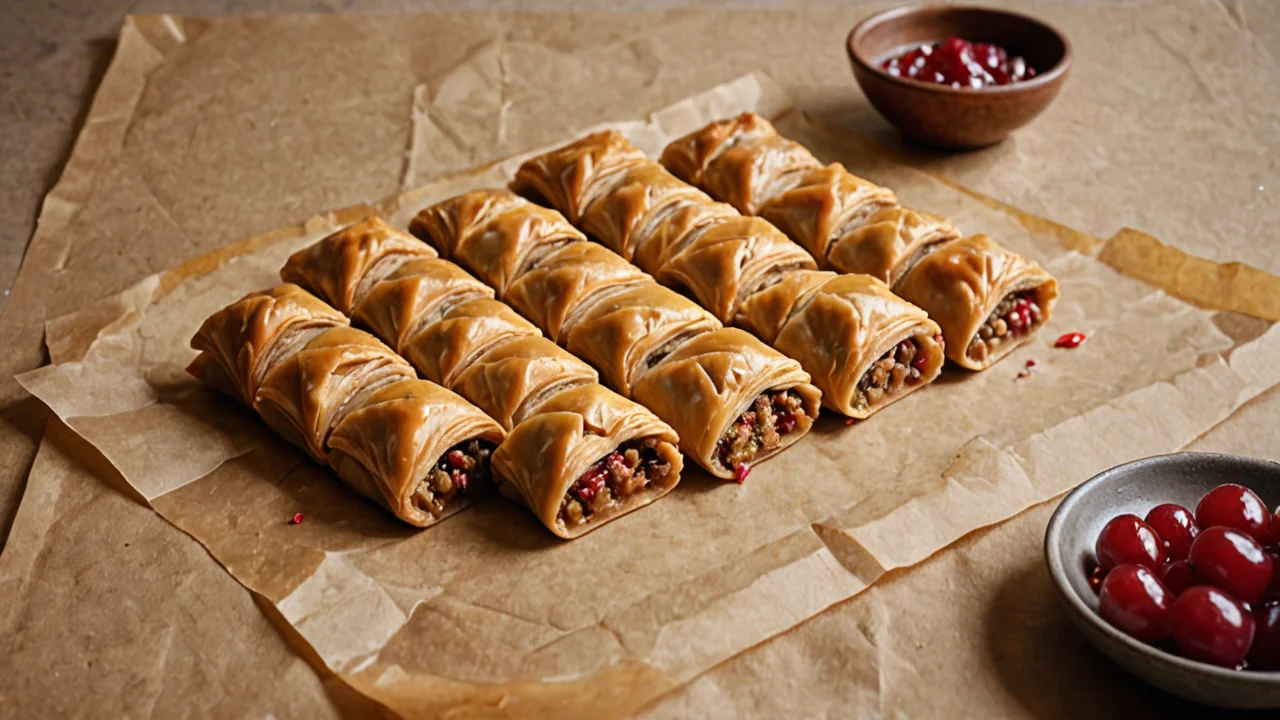
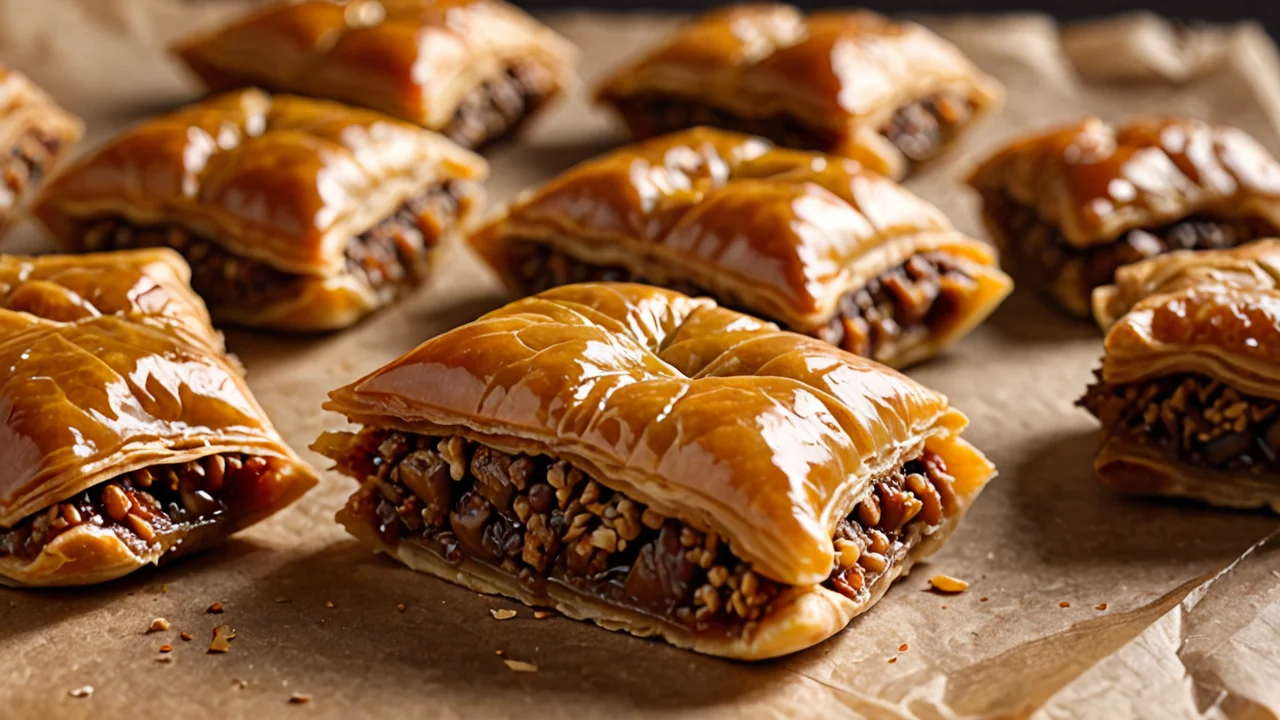
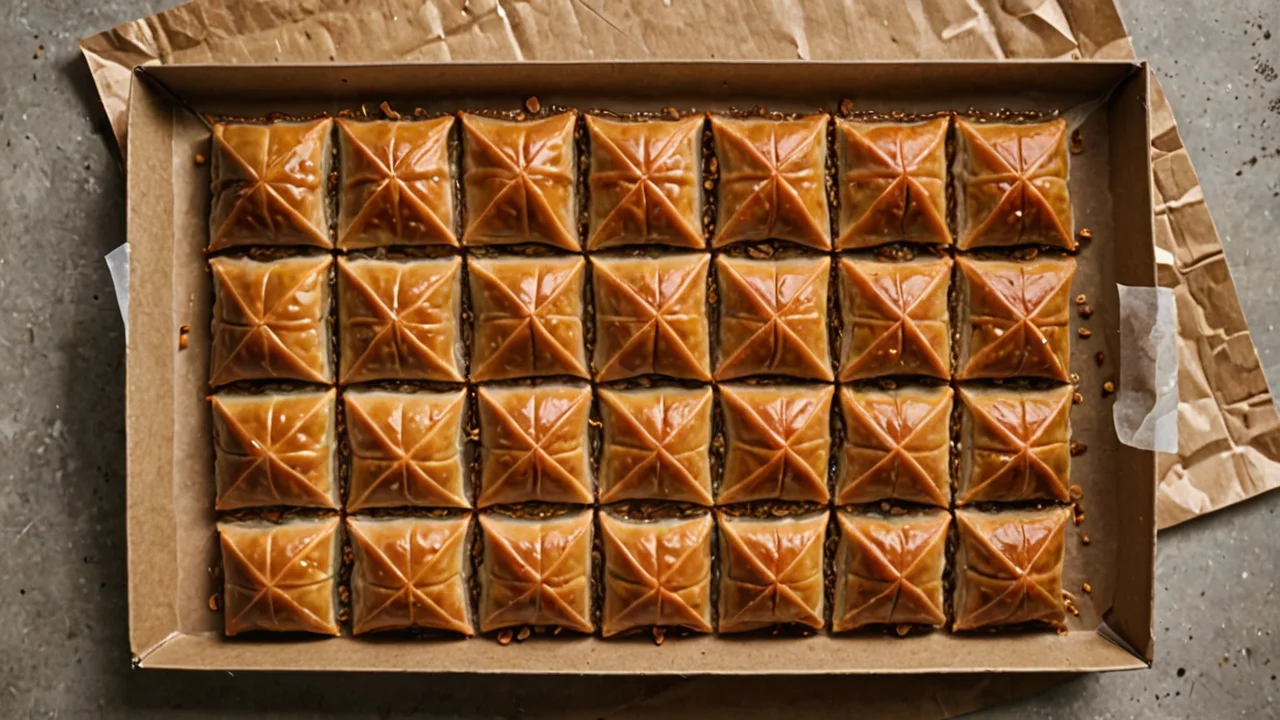
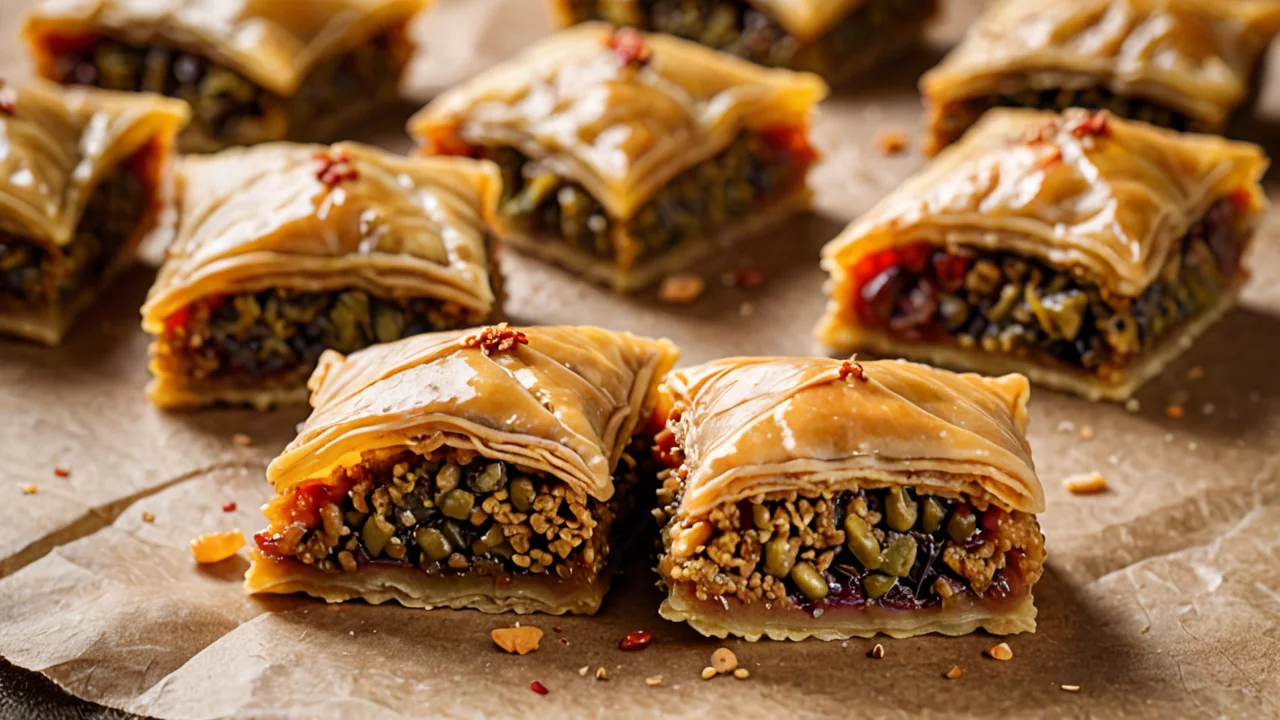
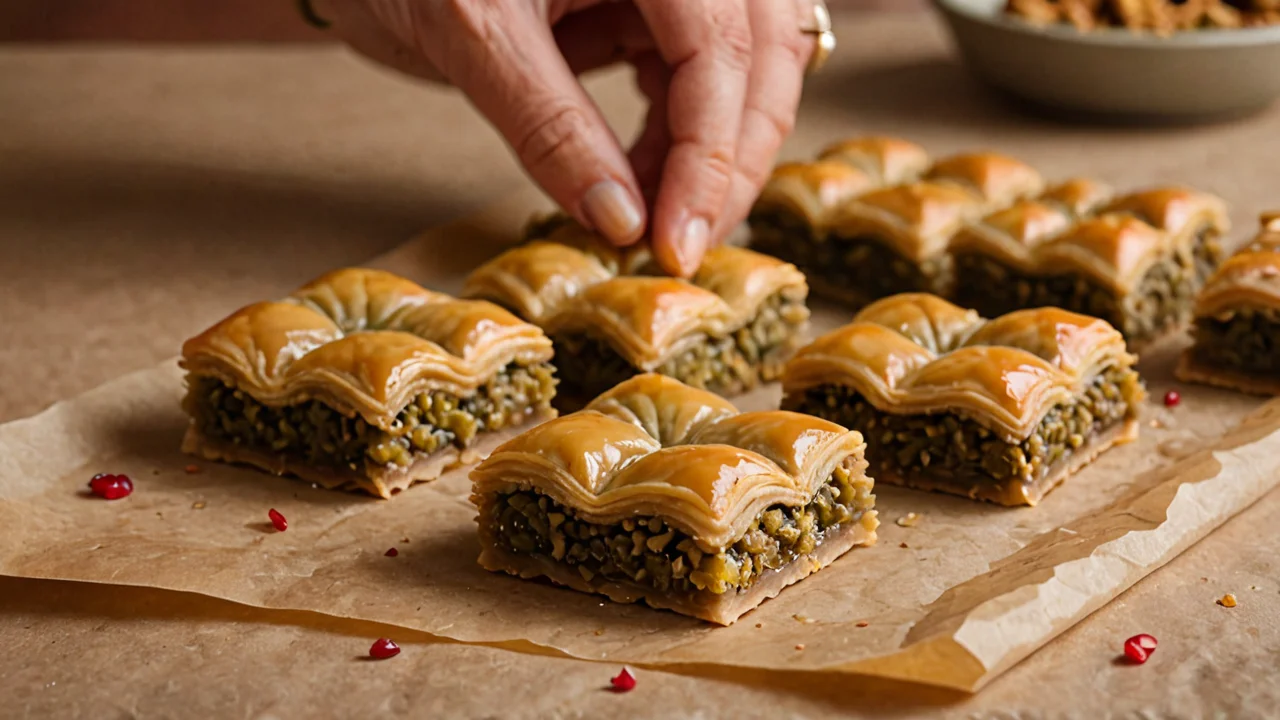
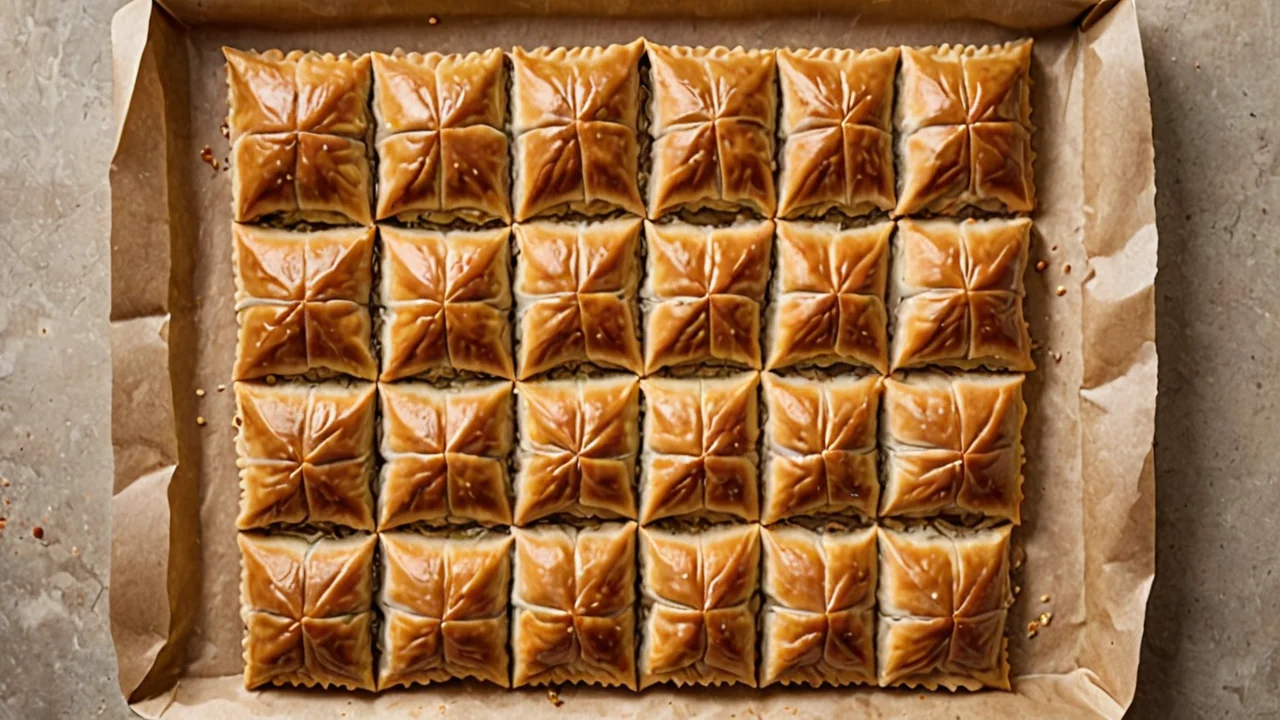
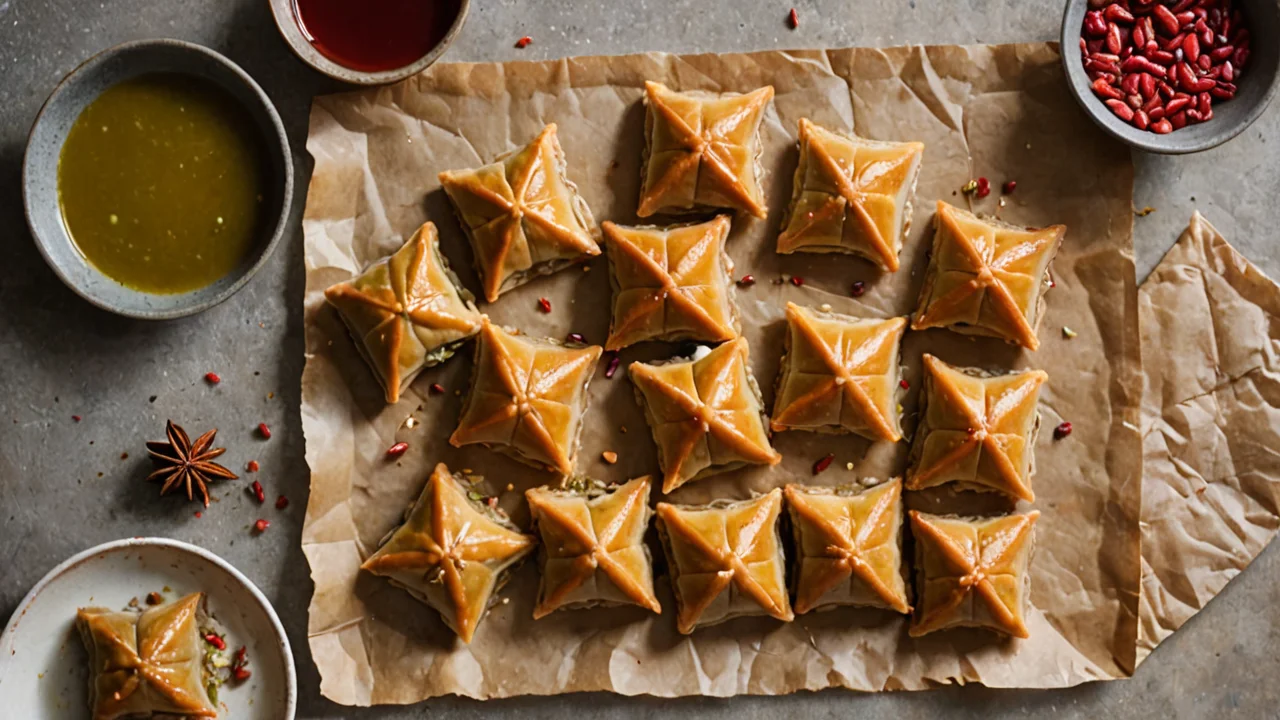
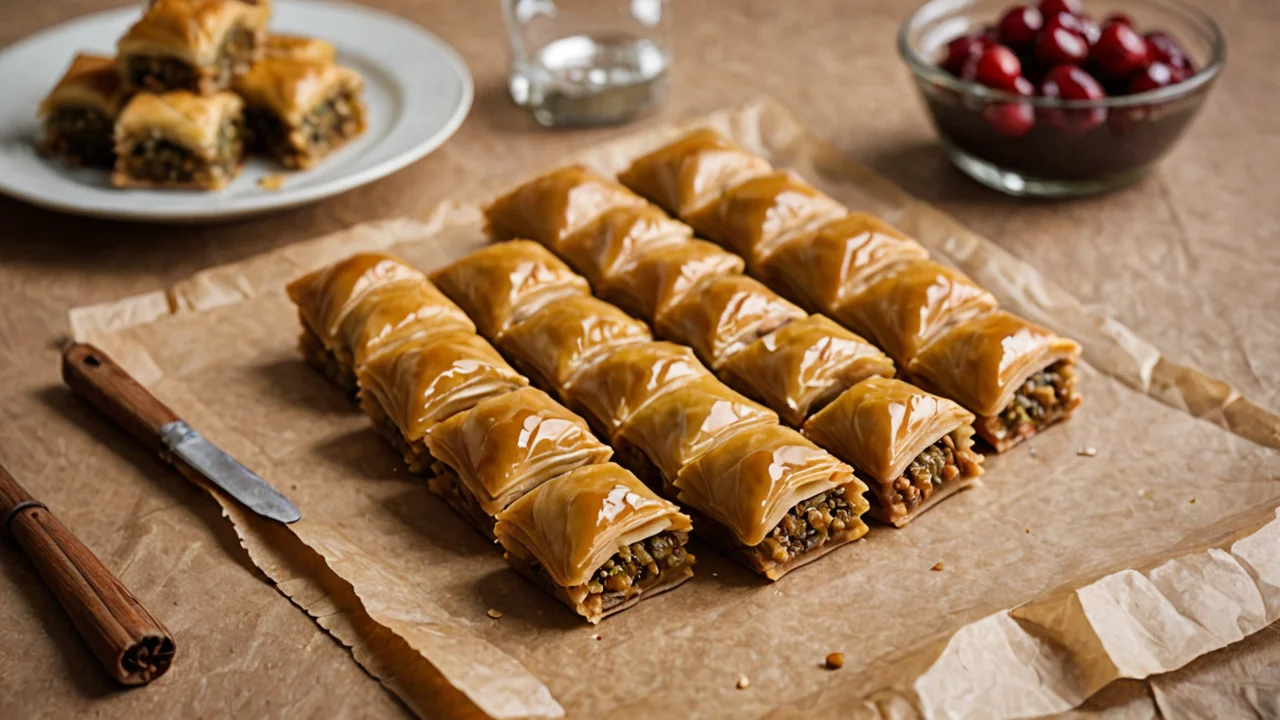
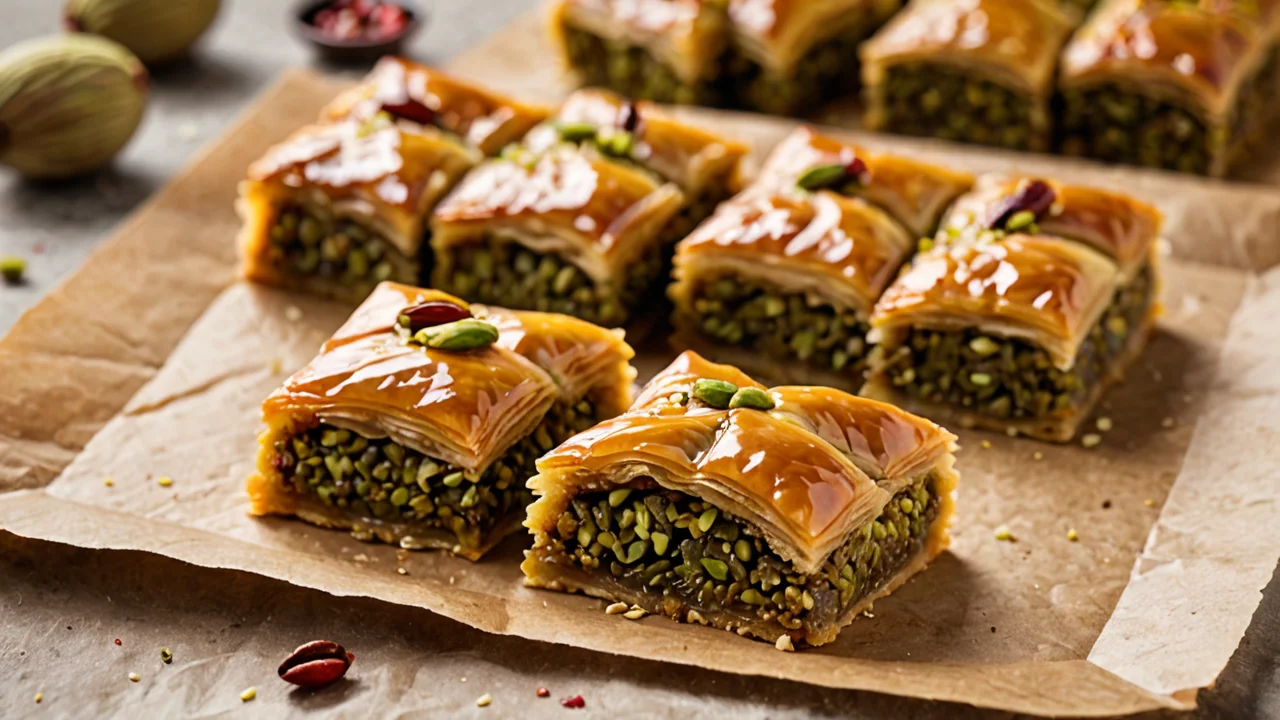
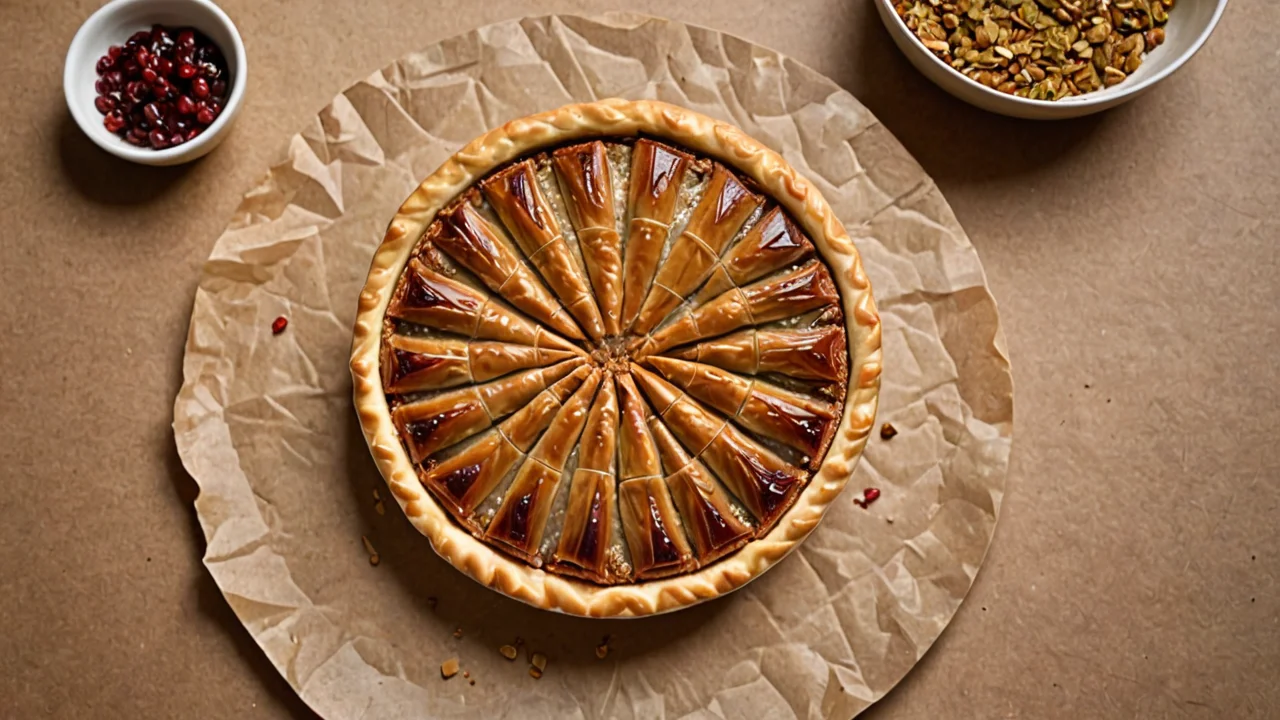
Phyllo pastry — the foundation of baklava, a layered dessert of thin phyllo sheets, nuts (often walnuts or pistachios), and a sweet syrup or honey — is the opposite case. Making phyllo from scratch is a specialist's job; bought frozen phyllo is the correct choice for almost every home cook, and the quality difference is small next to the difference made by how you handle it. The two failure modes are letting the sheets dry out (keep them under a damp towel) and skimping on the butter between layers, which is what separates crisp baklava from a soggy one. The syrup goes on after baking, poured over the hot pastry so it absorbs; pour it on cold and you get a limp result.
Where this leaves the home cook: bread from scratch is worth the time if you have it, and phyllo from scratch almost never is. The honest trade-off on baklava is that the bought version is often better than a first attempt, and the homemade version only overtakes it once you have made it a few times and learned your oven. Start with the bought pastry, master the butter and syrup, then decide whether the from-scratch project is worth it to you.